

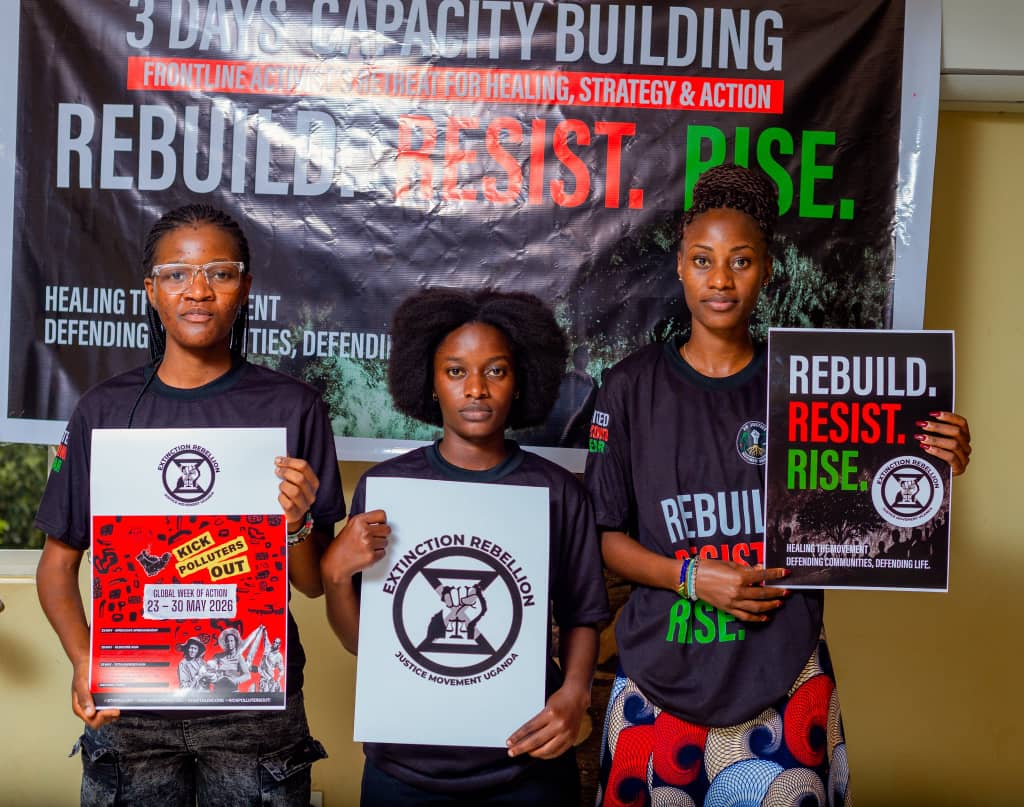
Communities affected by climate change are increasingly turning to solidarity and collective action to rebuild their lives and protect their environments in the face of recurring floods, droughts, storms and other climate-related disasters.
From restoring degraded landscapes to developing local adaptation strategies, communities across different regions are finding ways to respond to environmental challenges while strengthening social bonds and supporting vulnerable households.
Speaking on the growing importance of community-led climate action, a climate justice advocate said people living on the frontlines of climate change continue to demonstrate that collective action remains one of the most effective tools for overcoming environmental and social challenges.
"In many parts of the world, climate-affected communities continue to rebuild after destruction, resist the exploitation of their environment, and rise through collective action and solidarity," the advocate said.
The remarks come at a time when climate-related disasters are becoming more frequent and severe, placing increasing pressure on communities that often contribute the least to global greenhouse gas emissions but bear a disproportionate share of the consequences.
According to environmental campaigners, climate change is affecting livelihoods, food security, water resources and public health, particularly in rural and vulnerable communities that depend heavily on natural resources for survival.
Despite these challenges, many affected communities have organized local initiatives aimed at restoring ecosystems, protecting forests and wetlands, improving climate resilience and advocating for environmental justice.
"Their resilience is a reminder that when people come together to defend their environment and support one another, they can overcome even the most difficult challenges," the advocate added.
Environmental activists argue that community-led responses are increasingly proving effective because they are rooted in local knowledge, experience and an understanding of the specific challenges facing affected populations.
Across Africa and other parts of the developing world, local groups have launched tree-planting campaigns, soil conservation projects, water harvesting initiatives and sustainable farming programs designed to help communities adapt to changing weather patterns and environmental degradation.
Campaigners have also warned that climate change is not only an environmental issue but a social and economic challenge that can exacerbate poverty, displacement and inequality if left unaddressed.
As a result, there have been growing calls for governments, development partners and private sector actors to increase support for grassroots climate initiatives and ensure that affected communities are directly involved in designing and implementing solutions.
Experts maintain that sustainable climate adaptation and recovery efforts can only succeed when local communities are placed at the center of decision-making processes.
They argue that empowering communities with resources, knowledge and meaningful participation not only strengthens resilience but also helps create long-term solutions that reflect local realities and priorities.
With climate impacts expected to intensify in the coming decades, advocates say the experiences of communities already confronting environmental challenges offer important lessons about resilience, cooperation and the power of collective action in building a more sustainable future.
